
Playlist
Talking Heads Essentials
Apple Music Alternative
Tracks: 34150:39
These quirky New Yorkers brought art rock to the masses.
Updated Dec 1, 2022
Tracks 34
- 1Popular Favorites 1976-1992: Sand In the Vaseline4:18
- 2Speaking In Tongues4:03
- 3Psycho Killer - EP4:20
- 4Popular Favorites 1976-1992: Sand In the Vaseline5:03
- 5Little Creatures3:39
- 6Speaking In Tongues4:55
- 7Stop Making Sense (Live) [Special New Edition]5:51
- 8Little Creatures4:19
- 9True Stories (Bonus Track Version)3:39
- 10Little Creatures3:43
- 11Stop Making Sense (Live) [Special New Edition]5:06
- 12Naked5:34
- 13Popular Favorites 1976-1992: Sand In the Vaseline4:47
- 14Popular Favorites 1976-1992: Sand In the Vaseline4:00
- 15I Love 80s5:06
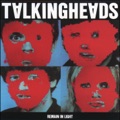
- 16Remain In Light5:48
- 17Soul Jazz Records Presents KEITH HARING: The World of Keith Haring3:07
- 18Talking Heads: 773:01
- 19More Songs About Buildings and Food2:11
- 20Popular Favorites 1976-1992: Sand In the Vaseline5:32
- 21Popular Favorites 1976-1992: Sand In the Vaseline3:30
- 22Tom Tom Club5:34
- 23Remain In Light4:33
- 24Speaking In Tongues5:54
- 25The Name of This Band Is Talking Heads (Live) [Expanded Version]3:09
- 26Talking Heads: 774:28
- 27Popular Favorites 1976-1992: Sand In the Vaseline2:57
- 28Fear of Music4:10
- 29More Songs About Buildings and Food4:59
- 30Talking Heads: 772:49
- 31More Songs About Buildings and Food3:35
- 32Naked5:00
- 33Popular Favorites 1976-1992: Sand In the Vaseline5:16
- 34Remain In Light6:27





About this playlist
When Talking Heads started out in mid-’70s New York after meeting at the Rhode Island School of Design (singer-songwriter David Byrne, drummer Chris Frantz, bassist Tina Weymouth and, later, keyboardist Jerry Harrison), they seemed like the antithesis to the rebellion of punk: They were mild-mannered, neatly dressed, well educated and soft-spoken (“Psycho Killer”, “The Big Country”). Weirdest of all, they made music you could dance to (“Found a Job”). But even as they got a little weirder (“Once In a Lifetime”, “And She Was”, “Burning Down the House”), they retained a primitive simplicity that not only rejected conventional rock excess but flew in the face of the ’60s myths of peace and liberation that punk helped dismantle.
As playful it could be, their music maintained a baseline level of anxiety that hinted at rage and disillusionment without ever expressing it outright (“Crosseyed and Painless”, “Life During Wartime”). They made using your brain seem cool, and not mutually exclusive to using your hips or your heart. And as they branched into global sounds (“I Zimbra”, “Born Under Punches [The Heat Goes On]”, “[Nothing But] Flowers”), they furthered their general case that however arty and detached they came off, they were as human as we were—and there was nothing stranger you could be.